
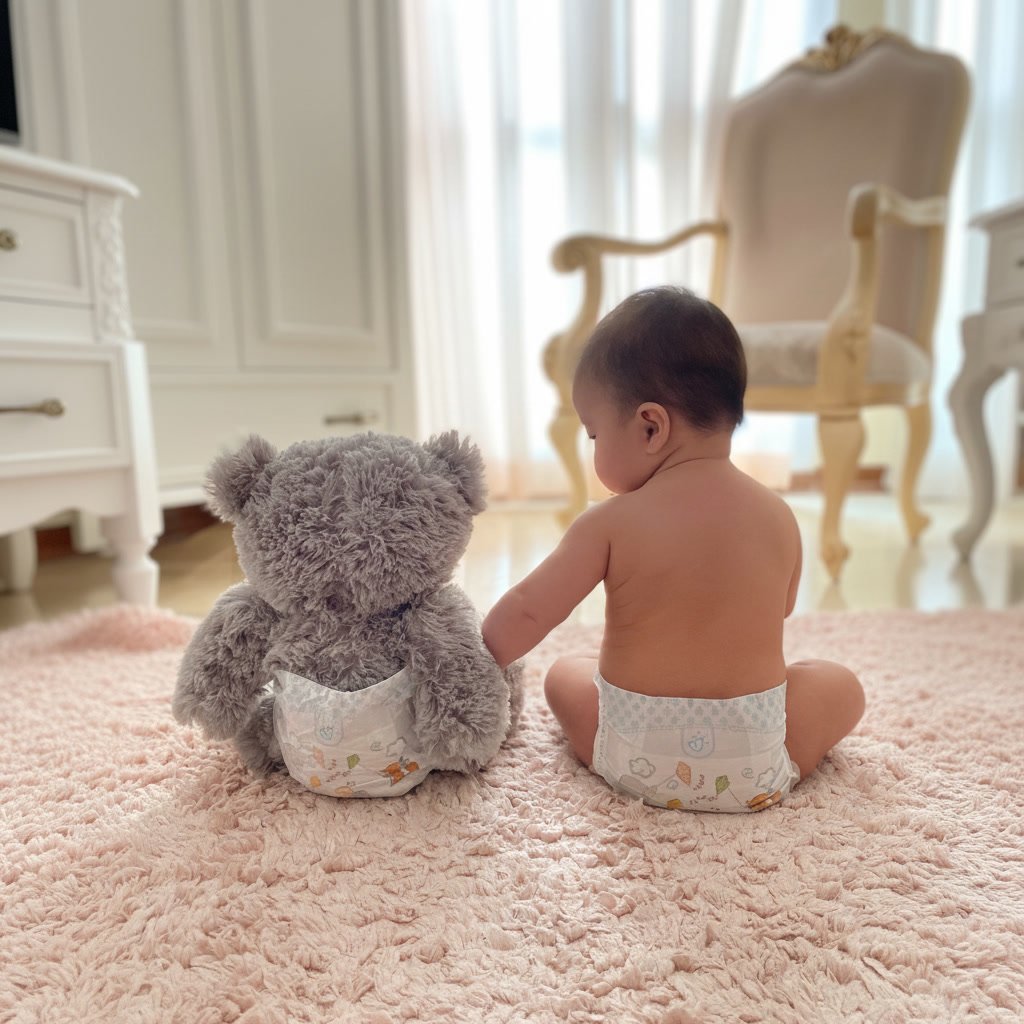
Choosing the best diapers for babies is one of the most important decisions parents make during the early years. A good diaper keeps your baby dry, prevents rashes, and ensures peaceful sleep for both baby and parents.
As parents, we struggled with frequent night leaks during the first few months. After trying different options, we realized that not every “popular” diaper works for every baby.
In this 2026 guide, we explore the history of diapers, different types available today, how to choose the right diaper, and essential hygiene tips every parent should know.
Quick Summary for Busy parents
- Disposable diapers: Best for convenience and travel.
- Cloth diapers: Cost-effective but require regular washing.
- Overnight diapers: Ideal for longer sleep hours.
- Always choose the correct size to prevent leaks.
- For sensitive skin, opt for fragrance-free and hypoallergenic options
History of Diapers: When and How they were First used.
Diapers, in the modern sense, have a long and interesting history. Before disposable diapers were invented, parents used cloth, animal skins, and other natural materials to keep babies dry.
Ancient Times:
The idea of diapers dates back to early civilizations. Ancient Egyptians, Mesopotamians, and Native Americans used soft cloth, moss, or animal skins to wrap their babies. These early forms of diapers helped keep babies dry and protected their delicate skin.
Modern Cloth Diapers:
In the 19th century, cloth diapers became common in Europe and North America. They were typically made of linen or cotton, folded carefully, and secured with safety pins. Cloth diapers were reusable and widely used before disposable options became popular.
Disposable Diapers:
In 1946, Marion Donovan introduced one of the first disposable diaper covers in the United States. Her innovation, made from a shower curtain material, was groundbreaking in terms of convenience and cleanliness. By the 1960s, companies like Pampers commercially introduced disposable diapers, revolutionizing baby care worldwide.
Global Adoption:
Disposable diapers quickly gained popularity across North America and Europe before spreading globally. Today, parents can choose between cloth diapers, disposable diapers, and ultra-absorbent options depending on their baby’s age, weight, and lifestyle.
Fun Fact:
Even in ancient communities, natural materials such as rabbit fur, moss, and animal skins were used to care for babies. This shows that keeping babies clean and comfortable has always been a priority for parents.
Uses of Diapers: How They Make Life Easier For Parents And Babies
Diapers are more than just wetness-control products. They play an essential role in maintaining hygiene, comfort, and healthy development.
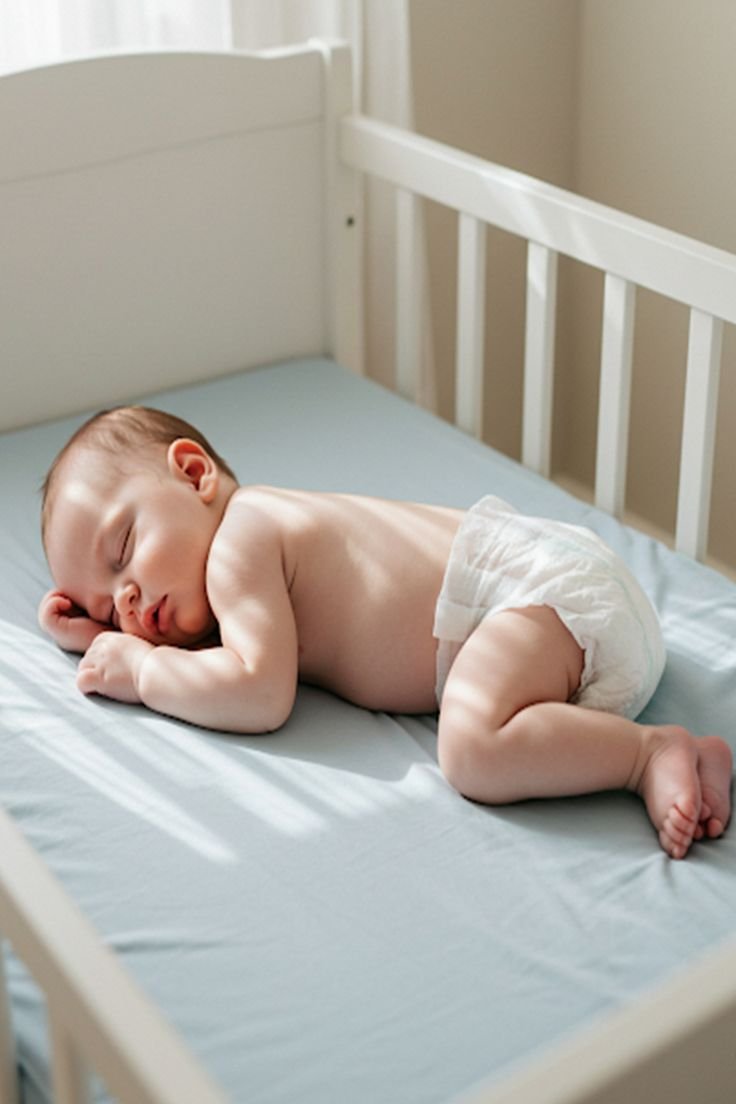
A good diaper keeps babies dry, helping them sleep better. Better sleep supports healthy brain development. Parents also benefit from fewer night disturbances and better rest. Diapers are especially convenient during travel or outings, where access to clean and hygienic restrooms may be limited.
From our experience, comfort matters more than brand name. A soft inner lining made a noticeable difference in preventing rashes for our baby.
Types of Diapers: Finding the Right One for Your Baby
Modern diapers come in various types, each designed to meet specific needs.
In our product page, we have recommended the diapers we personally trusted and used for our babies, based on the types and size, to make your purchase easier.
Disclosure: This post contains affiliate links. If you purchase through our links, we may earn a small commission at no extra cost to you.
Disposable Diapers:
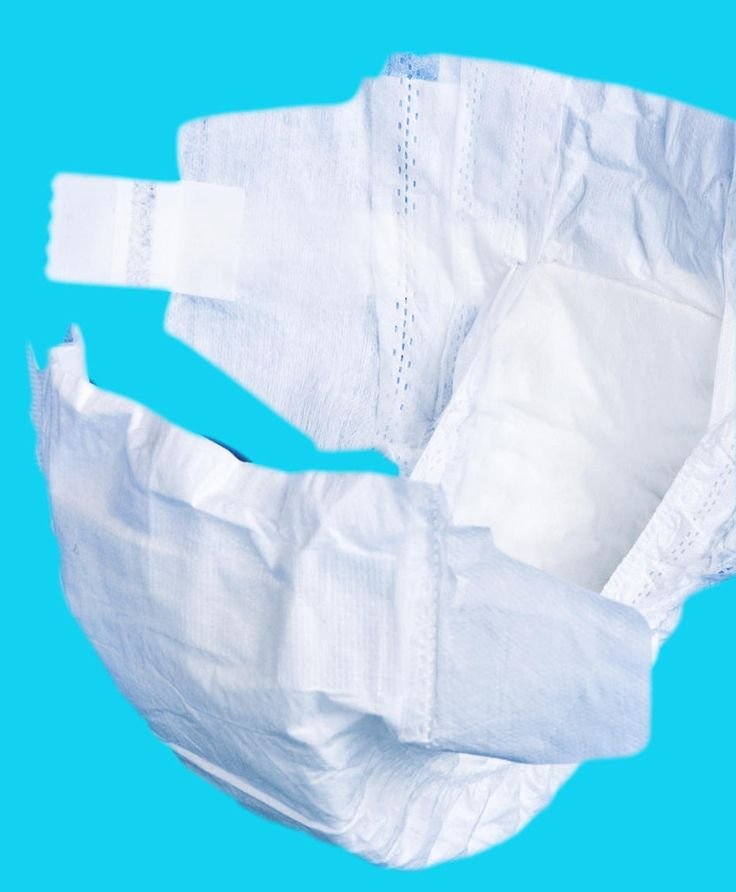
Disposable diapers are highly absorbent, convenient, and easy to use. They are suitable for newborn up to toddlers and are preferred by many parents for quick and hassle-free changes.
Cloth Diapers:
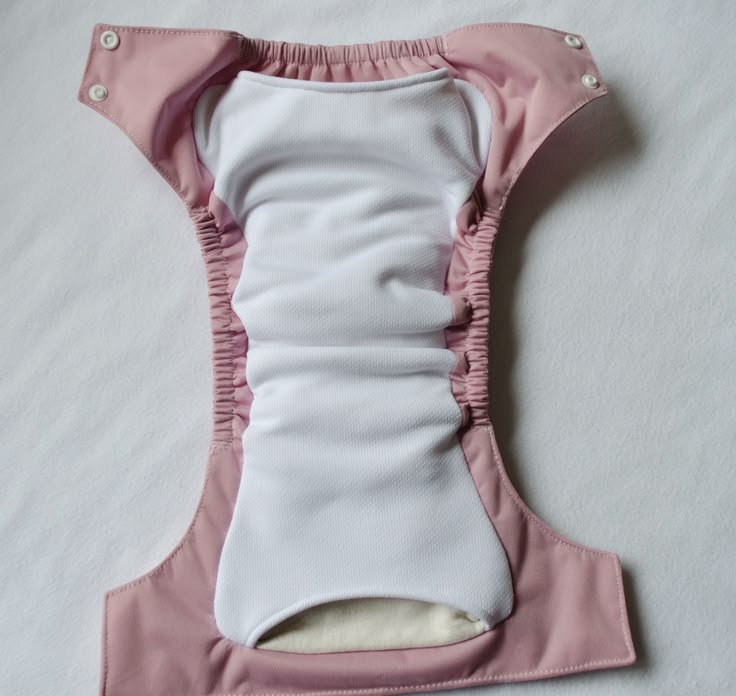
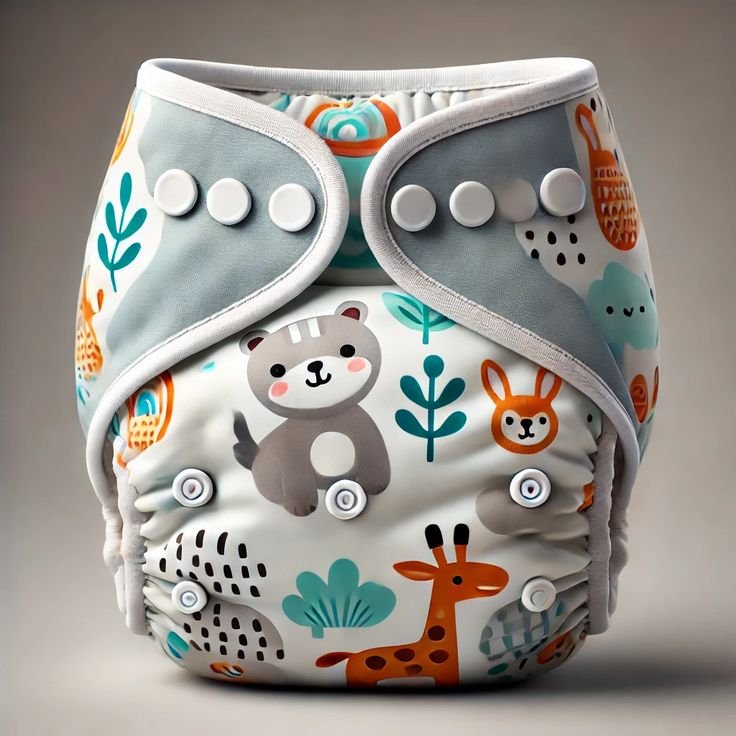
Cloth diapers are environmentally friendly and typically made from cotton or bamboo. They are soft on the baby’s skin and reusable. However, they require frequent washing to maintain hygiene.
Eco-Friendly / Organic Diapers:
Eco-friendly diapers are made from biodegradable or natural materials. They reduce environmental impact and are often suitable for babies with sensitive skin.
Overnight Diapers:
Overnight diapers are designed with extra absorbency to keep babies dry for longer hours. They are ideal for babies and toddlers who sleep through the night.
Swim Diapers:
Swim diapers are specially designed to prevent leaks in swimming pools or at the beach. They are perfect for babies and toddlers during water activities.
Diapers for Plus-Size babies:
These diapers provide additional comfort and absorbency for babies with above-average weight or body size, helping to prevent leaks effectively.
We personally prefer disposable diapers for travel days because they save time and reduce laundry stress.
Cloth diapers are budget-friendly in the long run, but honestly, they require more effort and planning.
How to Select the Right Diaper for Your Baby
As parents of twin girls, we have tried many diapers before finding the right one. Choosing the perfect diaper can take time, and sometimes you only realize what works after dealing with leaks or rashes.
We are here to assist you in staying out of those struggles and proposing you to pick the correct diaper that will leave your baby happy and comfortable. It is possible to choose the most appropriate diaper according to such factors as age and weight, absorbency and leak protection, comfort and breathability, sensitivity to skin, budget also day and night needs. Let’s break it down.
Baby’s Age and Weight:
Always follow the diaper size chart provided by the brand. A diaper that is too tight can leave marks, while a loose diaper may cause leaks.
Absorbency and Leak Protection:
Choose diapers with multiple absorbent layers and strong side leak guards. Overnight diapers are ideal for longer sleep durations.
Comfort and Breathability:
Soft, flexible, and breathable materials allow your baby to move freely and reduce the risk of heat rashes. Cotton or bamboo fibers are often gentler on delicate skin.
Skin sensitivity and Allergies:
For babies with sensitive skin, select hypoallergenic diapers free from fragrance, chlorine, and latex. These help reduce irritation and maintain healthy skin.
Budget and Convenience:
Cloth diapers are reusable and cost-effective in the long run. Disposable diapers are convenient for travel and busy schedules. Choose what suits your lifestyle best.
Day vs. Night Needs:
Light and breathable diapers work well during the day. For nighttime, opt for ultra-absorbent or overnight diapers that provide extended dryness for uninterrupted sleep.
Pros and Cons of Each type:
Cloth Diapers:
Environmentally friendly and reusable; however, they require frequent washing.
Disposable Diapers:
Convenient and hygienic; however, they can be expensive over time.
Eco-Friendly Diapers:
Gentle on the skin; however, they may be less absorbent than traditional disposables.
Overnight Diapers:
Provide longer dryness; however, they may feel slightly bulkier.
Swim Diapers:
Ideal for water use; however, they are not suitable for regular daily wear.
While no diaper is perfect, we noticed that choosing the right size reduced most issues.
Parent Advice:
Before purchasing in bulk, try a small pack of a new brand. Observe how it fits your baby and whether it causes any skin irritation. Every baby is different, so finding the right diaper may require some trial and observation.
At GigglyHug, we recommend products based on comfort, absorption performance, and overall value — not just brand popularity.
Diaper Changing and Hygiene Guide.
Maintaining proper hygiene is just as important as choosing the right diaper.
Change Diapers Frequently
Change diapers at regular intervals as recommended to prevent rashes and discomfort.
Clean the baby’s skin gently
Use soft baby wipes or a clean cotton cloth. Always wipe from front to back, especially for baby girls, to prevent infections.
Allow the Skin to Breathe
After cleaning, allow the baby’s skin to air-dry for a few minutes before putting on a new diaper.
Apply Diaper Rash Cream When Needed
If redness appears, apply a thin layer of zinc oxide-based diaper cream to soothe the skin.
Dispose or Wash Properly
Dispose of used disposable diapers hygienically. Cloth diapers should be washed with mild baby-safe detergent and dried thoroughly before reuse.
Maintain Parental Hygiene
Always wash your hands before and after changing diapers to prevent infections.
Every baby is different. What works for one may not work for another. Take your time, keep all the above points in mind and observe your baby’s comfort, and choose what feels right for your little one.
About the Author – ArunKumar is the founder of GigglyHug and writes about practical baby product solutions based on real-life parenting experiences and product research.
Frequently Asked Questions
1. How often should I change my baby’s diaper?
Newborns may need diaper changes every 2–3 hours, while older babies can go slightly longer.
2. Which diaper is best for newborn babies?
Soft, hypoallergenic, highly absorbent diapers designed for newborns are ideal, and taped diapers are more convenient than pant-style diapers for newborn babies
3. Are cloth diapers better than disposable diapers?
Both have advantages. Cloth diapers are eco-friendly, while disposable diapers offer convenience.
4. How can I prevent diaper rash?
Frequent diaper changes, proper cleaning, and breathable diapers help prevent diaper rash.